



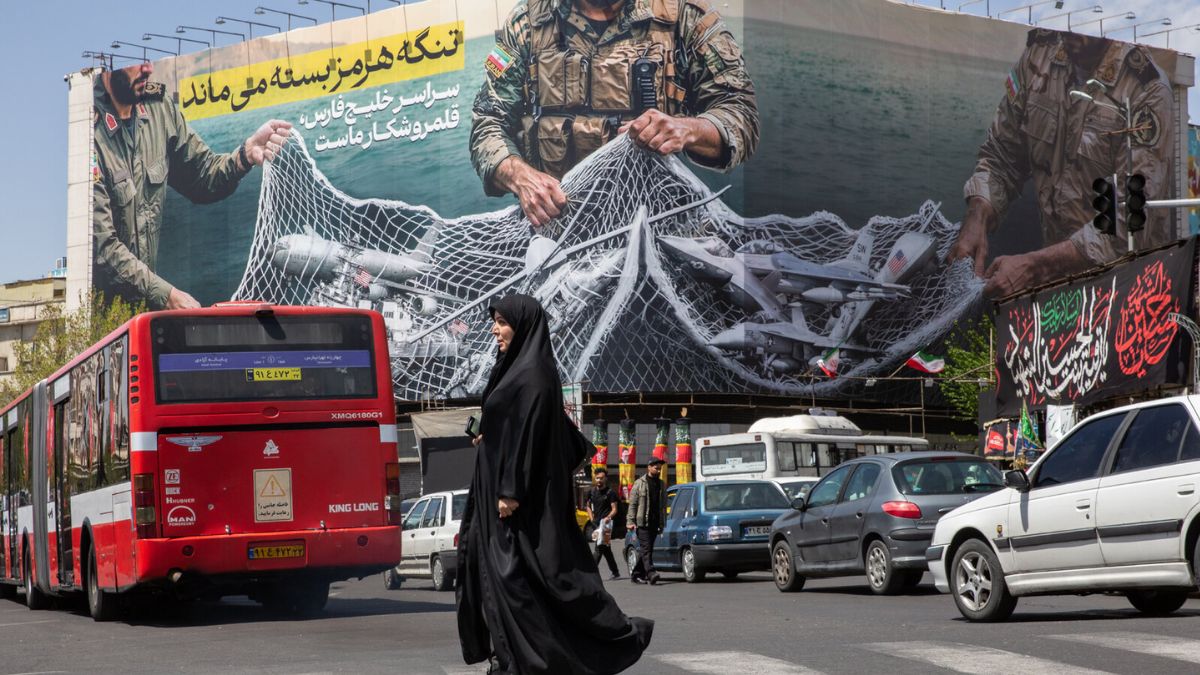
Iran War Updates: Tehran Rejects Outside Intervention Over Hormuz

Iran’s top negotiator, Mohammad Bagher Ghalibaf, has described the Strait of Hormuz as Tehran’s most powerful strategic tool. His statement comes as diplomatic activity continues in Doha, where Qatari officials have met senior U.S. envoys while Iranian negotiators are also present for technical discussions.
Iran Links Final Deal Talks to MoU Implementation
Mohammad Bagher Ghalibaf said that Iran will not begin discussions on a final agreement until the provisions of the memorandum of understanding, or MoU, are fully carried out.
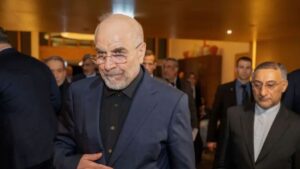
His remarks show that Tehran wants existing commitments to be respected before moving toward broader peace negotiations. For Iran, the MoU remains the foundation for any future political or security agreement.
Strait of Hormuz Called Iran’s “Greatest Instrument of Power”
Ghalibaf described the Strait of Hormuz as Iran’s “greatest instrument of power.” The statement highlights how important the waterway is to Tehran’s negotiating position.
The Strait of Hormuz is one of the world’s most critical shipping routes, especially for oil and energy supplies. Iran’s control and influence in the area give it major leverage in talks with the United States and regional powers.
Qatar Holds Talks With U.S. Envoys in Doha
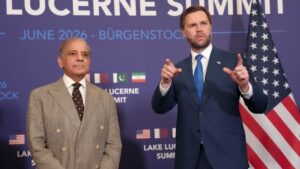
Qatari Prime Minister and Foreign Minister Sheikh Mohammed bin Abdulrahman bin Jassim Al Thani met U.S. envoys Steve Witkoff and Jared Kushner in Doha.
Their meeting is part of ongoing diplomatic efforts to manage tensions and keep communication channels open. Qatar has been playing a key mediation role as the U.S. and Iran remain divided over the next steps in the peace process.
Iranian Negotiators Also Present in Doha
Qatar’s Foreign Ministry confirmed that Iranian negotiators are also in Doha. However, their presence is connected to technical talks, which may take place either directly or indirectly.
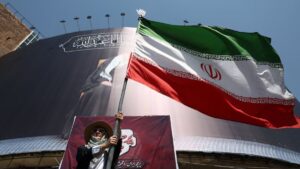
This suggests that while communication is continuing, full political-level negotiations have not yet begun. Iran continues to insist that MoU commitments must be implemented first.
Israel-Hezbollah Tensions Continue in Southern Lebanon
In a separate development, Israel claimed it had killed another Hezbollah fighter in southern Lebanon.
Meanwhile, Israeli media reported that the withdrawal of Israeli troops from the Zawthar and Faroun “pilot zones” has been delayed. This raises further questions about the progress of a separate framework linked to the wider regional conflict.
Iran’s latest statements show that the Strait of Hormuz remains central to Tehran’s strategy as diplomatic talks continue in Doha.
While Qatar is engaging with U.S. envoys and Iranian negotiators are present for technical discussions, Iran has made it clear that final deal negotiations will not begin until MoU provisions are implemented.
At the same time, continued Israel-Hezbollah tensions in southern Lebanon add another layer of uncertainty to the wider regional peace process.