



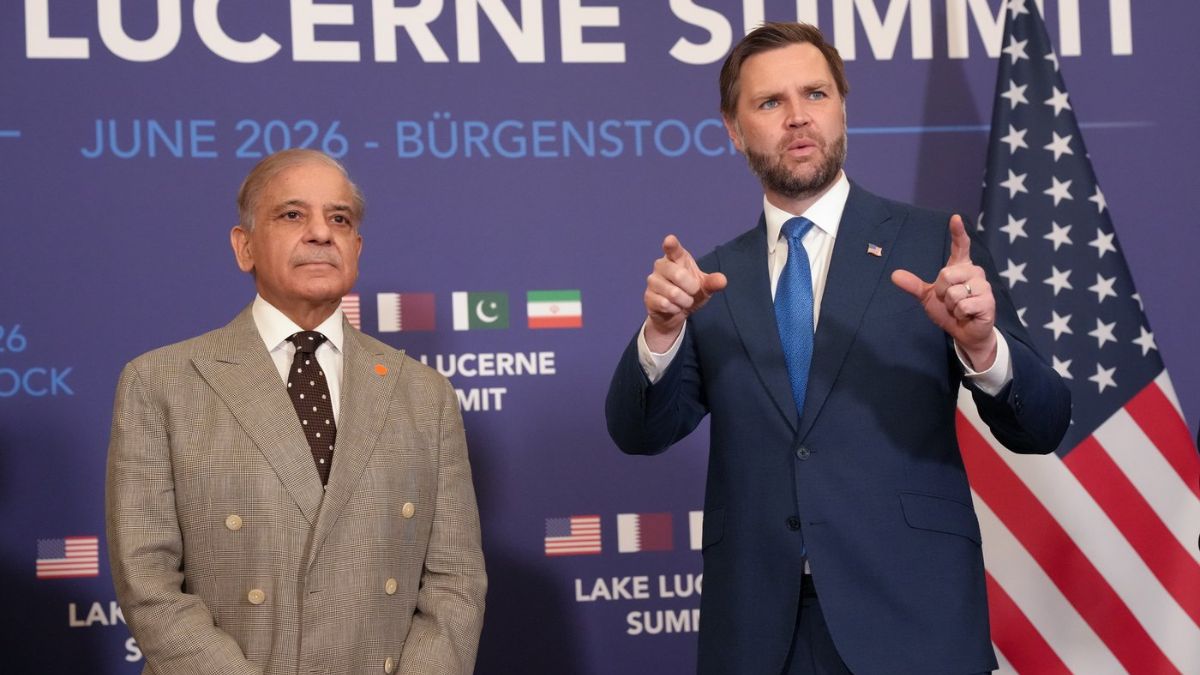
Iran-US War Latest: Vance Says America Remains in Strong Position Even if Qatar Talks Collapse

Iran has made it clear that its negotiators will not enter direct peace talks with the United States until every condition listed in the memorandum of understanding, or MoU, has been fully respected.
The statement comes as U.S. envoys Steve Witkoff and Jared Kushner arrive in Qatar for discussions with mediators, while Tehran continues to reject any direct meeting with Washington.
Iran Says Direct Talks With U.S. Are Not Planned
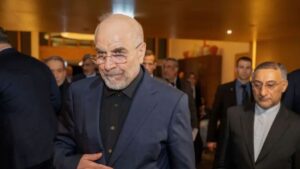
Tehran has said that peace negotiations with the U.S. cannot begin unless all points of the MoU are upheld. According to Iran, the current focus should be on making sure both sides follow the commitments already agreed under the interim understanding.
Donald Trump’s envoys, Steve Witkoff and Jared Kushner, have reached Qatar to meet regional mediators. However, Iran has firmly stated that no direct talks with American officials are currently being considered.
Qatar Confirms No High-Level U.S.-Iran Meeting
Qatar also confirmed on Tuesday that there is no high-level meeting planned between Iran and the United States. The statement added to growing signs that the peace process between the two sides is slowing down.
Qatar has been playing a mediation role as tensions continue between Tehran and Washington. While U.S. officials are meeting mediators, Iran has insisted that direct negotiations are not yet possible.
MoU Includes 14 Key Conditions
The memorandum of understanding contains 14 points. These include the safe reopening of the Strait of Hormuz for a 60-day period and the United States ending sanctions against Iran.
For Tehran, these commitments are central to the peace process. Iranian officials believe that future negotiations cannot move forward unless the existing agreement is fully implemented first.
Strait of Hormuz Safe Passage Limited to 60 Days
Iran’s top negotiator, Mohammad Bagher Ghalibaf, said on Tuesday that current meetings are mainly aimed at ensuring that the MoU commitments are honoured.
He also warned that safe passage through the Strait of Hormuz has only been agreed for 60 days. This makes the strategic waterway a major point of pressure in the ongoing talks.
The Strait of Hormuz remains one of the world’s most important shipping routes, especially for energy supplies. Any disruption in the area can create serious concerns for global oil and trade markets.
Recent Gulf Attacks Increase Tensions
Iran and the United States have exchanged attacks in the Gulf in recent days. Both sides accused each other of violating the interim deal that was signed less than two weeks ago.
That interim agreement was meant to end their four-month war. However, the latest attacks and accusations have created fresh doubts over whether the ceasefire can survive.
Peace Process Faces Growing Uncertainty
The refusal by Iran to hold direct talks shows that major disagreements remain between Tehran and Washington. While mediation efforts continue in Qatar, the lack of direct communication could slow progress toward a lasting peace deal.
The situation remains fragile, especially because both countries continue to accuse each other of failing to respect the interim agreement.
Iran’s decision to avoid direct peace talks with the United States until all MoU conditions are fulfilled has created another obstacle in the peace process.
Although U.S. envoys are in Qatar to meet mediators, Tehran is demanding full implementation of the 14-point agreement before any direct negotiations take place.
With safe passage through the Strait of Hormuz limited to 60 days and both sides trading accusations after recent Gulf attacks, the path toward a stable peace remains uncertain.