



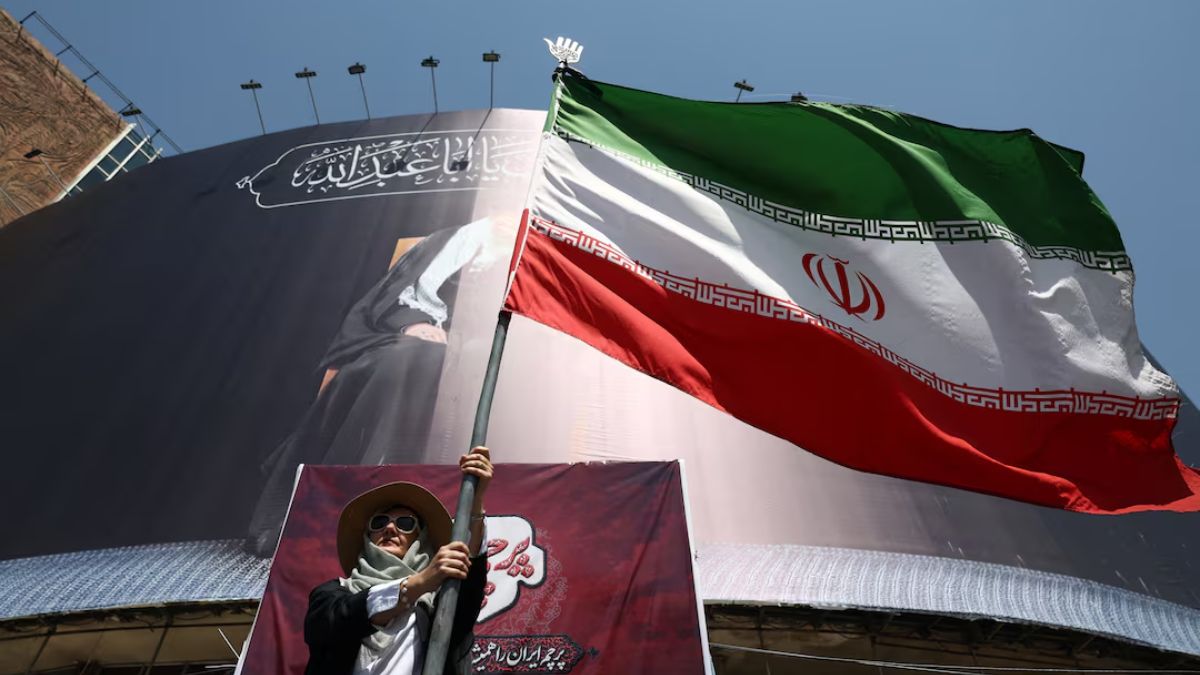
Iran Says No to Meeting U.S. Envoys, Raising Uncertainty Over Peace Deal

Iran has said it will not hold direct meetings with senior U.S. representatives who travelled to the region after a fresh wave of conflict. The decision has raised doubts over whether Washington and Tehran can move toward a stable and long-term peace agreement.
While both sides recently signed a ceasefire, Iranian officials say important details still need to be resolved before larger issues, including possible restrictions on Iran’s nuclear program, can be discussed.
Iran Says No Meeting With U.S. Officials Is Planned
Iranian Foreign Ministry spokesperson Esmaeil Baghaei stated that no meeting with the American side had been arranged at any level for the coming days. His comments came as U.S. President Donald Trump’s son-in-law Jared Kushner and envoy Steve Witkoff arrived in Doha for what the White House described as high-level talks.
However, Iran and host nation Qatar said the American representatives would meet with mediators instead of Iranian officials directly. Qatar confirmed that Prime Minister Sheikh Mohammed bin Abdulrahman al-Thani was among those who met with Witkoff and Kushner.
According to Majed al-Ansari, spokesperson for Qatar’s foreign ministry, the U.S. and Iran were expected to begin lower-level technical discussions.
Ceasefire Terms Still Need to Be Finalized
Iranian officials said both countries must first settle the conditions of the ceasefire agreement signed two weeks ago. Only after that, they said, could both sides move on to more sensitive matters, such as Iran’s nuclear program and potential limitations on it.
The situation shows that the two countries remain divided over major parts of the early peace framework. The proposed arrangement calls for Iran to ease its control over the Strait of Hormuz in return for financial incentives. It also creates a 60-day negotiation period aimed at reaching a permanent peace deal.
Trump Reportedly Considered More Military Strikes
The Wall Street Journal reported that President Trump had considered returning to full-scale military action as a way to break the diplomatic deadlock. The report, citing U.S. sources familiar with the talks, said Trump had spoken with Defense Secretary Pete Hegseth and Chairman of the Joint Chiefs of Staff General Dan Caine about possible additional strikes.
Reuters said it could not immediately verify the report. For now, however, Trump has reportedly chosen to allow diplomacy more time, even though he has publicly warned Iran of further attacks.
Strait of Hormuz Remains a Major Point of Tension
Shipping has partly resumed through the Strait of Hormuz, a vital waterway that handled around one-fifth of global oil and liquefied natural gas before the war began on February 28.
Iranian officials said they have the right to manage traffic through the strait alongside Oman, a U.S. ally located on the other side of the strategic passage. Iran also said it would begin charging tolls in mid-August when the 60-day negotiation period ends.
Iran’s top negotiator, Mohammed Baqer Qalibaf, said on state television that sovereignty over the Strait of Hormuz belongs to Iran and Oman. He added that traffic in the strait is subject to arrangements decided by Iran.
U.S. Rejects Iran’s Plan to Charge Tolls
U.S. Vice President JD Vance said Iran would not be allowed to collect tolls from ships passing through the international waterway. Speaking on The Michael Knowles Show, Vance said the situation would not end with Iran charging vessels that move through the Strait of Hormuz.
In the same interview, recorded on Monday and released on Tuesday, Vance claimed that oil flows through the strait had returned to pre-war levels and had even exceeded those levels on some days. He did not provide figures to support the claim.
Oil Prices Fall, but Global Risks Remain
Despite ongoing uncertainty, oil prices have dropped since the weekend. That followed U.S. strikes on Iranian military facilities after drone attacks on commercial ships, as well as Iran’s attacks on U.S. military sites in Kuwait and Bahrain.
However, the U.N. trade and development agency warned on Tuesday that weaker economies could still face pressure from rising food and fuel prices, even if energy markets begin to stabilize.
The conflict has contributed to higher global inflation and created political challenges for Trump ahead of the November midterm elections, which will decide control of the U.S. Congress. Trump and Treasury Secretary Scott Bessent have both urged gasoline retailers to reduce prices.
Lebanon and Hezbollah Deal Also Faces Doubts
The temporary agreement between the U.S. and Iran also includes provisions aimed at ending the conflict between Israel and Hezbollah, the Iran-backed militant group in Lebanon.
However, Lebanon’s influential parliament speaker Nabih Berri, who is allied with Hezbollah, expressed doubts about a separate U.S.-brokered framework deal between Lebanon and Israel.
Analysts warned that the deal could lock both sides into a long-term stalemate because it links Israel’s withdrawal from southern Lebanon to Hezbollah’s disarmament.
Iran’s refusal to meet directly with U.S. envoys has added fresh uncertainty to already fragile peace efforts. While technical talks may still move forward through mediators, major disagreements remain over the ceasefire, the Strait of Hormuz, potential tolls, Iran’s nuclear program, and regional conflicts involving Hezbollah and Israel.
With energy markets, inflation, and global security all affected, the next 60 days of negotiations will be critical in determining whether the current ceasefire can become a lasting peace agreement or collapse into renewed conflict.