
If you’ve ever imagined having a dog that is both a loyal companion and a dependable protector, you’re in the right place. Certain breeds are not just affectionate—they are deeply devoted, the kind that instinctively step between their owner and potential danger. This isn’t just something seen in movies; these behaviors are rooted in genetics, history, and generations of selective breeding.
Guard dogs were originally developed for demanding roles such as protecting livestock, securing property, and even assisting in military settings. Over time, these breeds transitioned into family companions, but they still carry that strong protective instinct—now paired with affection and loyalty. Experts in canine behavior highlight that qualities like territorial awareness, loyalty, and the ability to assess threats are what separate true guardians from dogs that simply bark loudly.
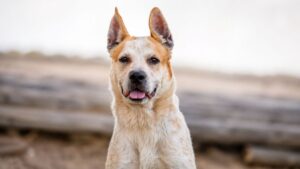
It’s important to understand that being protective does not mean being aggressive. The most effective guard dogs are composed, intelligent, and capable of distinguishing between real threats and normal situations. Let’s explore some of the top dog breeds recognized for their protective nature.
1. Rottweiler
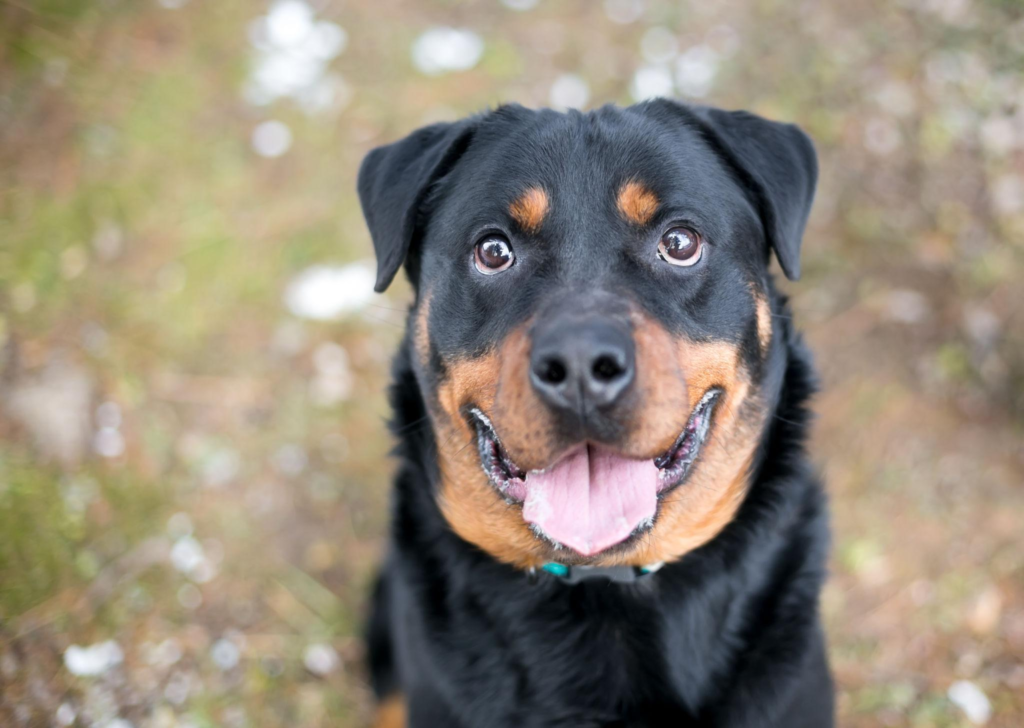
The Rottweiler perfectly embodies the idea of being calm yet powerful. Historically, this breed was used by Roman soldiers to herd cattle and guard camps, making their protective role centuries old. Even today, they are widely utilized in police and military work due to their strength, intelligence, and steady temperament.
What sets Rottweilers apart is their well-balanced personality. They can be affectionate and playful with their family, yet immediately become alert and serious when something feels wrong. This ability to switch between warmth and vigilance makes them one of the most dependable guard dogs globally.
Rottweiler Profile

Physically, they are robust and muscular, often weighing between 80 and 135 pounds. Their imposing presence alone is often enough to deter potential threats.
However, they require proper training and early socialization. Without guidance, their protective nature can become excessive. Owners frequently note that Rottweilers seem to instinctively understand when to protect, which makes them more thoughtful and less reactive.
3 Ways They Protect Their Loved Ones
- Uses size and presence to discourage threats
- Evaluates situations carefully before reacting
- Develops strong emotional connections that drive protection
2. Doberman Pinscher
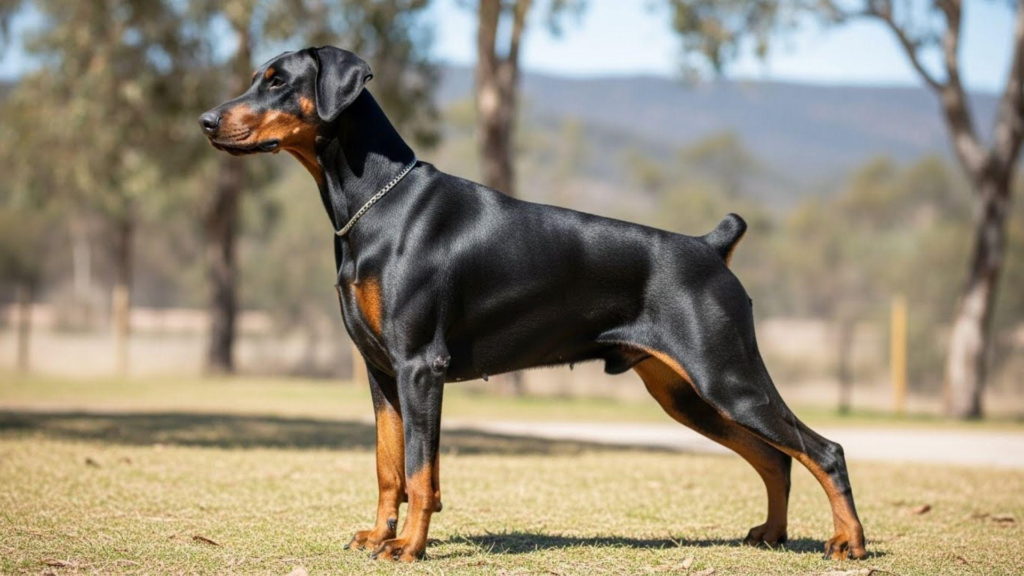
The Doberman Pinscher is often compared to a high-performance machine—fast, agile, and purpose-built for protection. Originating in Germany, this breed was specifically developed as a personal guard dog.

Their standout quality is intelligence. Dobermans consistently rank among the smartest breeds, allowing them to quickly assess situations and respond effectively.
Doberman Pinscher Profile
Unlike heavier guard dogs, Dobermans rely on speed and agility. Their alertness makes them ideal for active households that want a responsive and attentive protector.
They also form strong bonds with their owners, allowing them to distinguish between normal situations and genuine threats with remarkable accuracy.
However, they need consistent training, mental stimulation, and regular exercise to maintain balance.
3 Ways They Protect Their Loved Ones
- Responds quickly and precisely to threats
- Maintains constant awareness of surroundings
- Builds deep loyalty that enhances protective instincts
3. Boxer

Boxers are energetic, playful, and full of personality—but beneath that lively exterior lies a strong protective instinct. Historically used as both guard and hunting dogs, they combine athletic ability with attentiveness.
Boxer Profile
Boxers are especially known for their affection toward families, particularly children, making them excellent family guardians. Their alert nature ensures they quickly notice unfamiliar sounds or people.
Their strong bark and physical presence can discourage intruders, but their high energy levels mean they require daily exercise to stay balanced.
3 Ways They Protect Their Loved Ones
- Alerts owners to unusual activity immediately
- Uses vocal warning and presence to deter intruders
- Balances affection with natural guarding instincts
4. Bullmastiff

Bullmastiffs are often described as silent protectors. Originally bred in England to guard estates, they were trained to subdue intruders rather than attack them.
Bullmastiff Profile
These dogs are large, powerful, and naturally intimidating, yet gentle with their families. Their calm and observant nature means they rarely bark unnecessarily—they act only when needed.
Because of their size and strength, early socialization is essential to ensure they develop into confident and controlled protectors.
3 Ways They Protect Their Loved Ones
- Observes quietly rather than reacting excessively
- Uses size and strength to neutralize threats
- Maintains composure in stressful situations
5. Akita
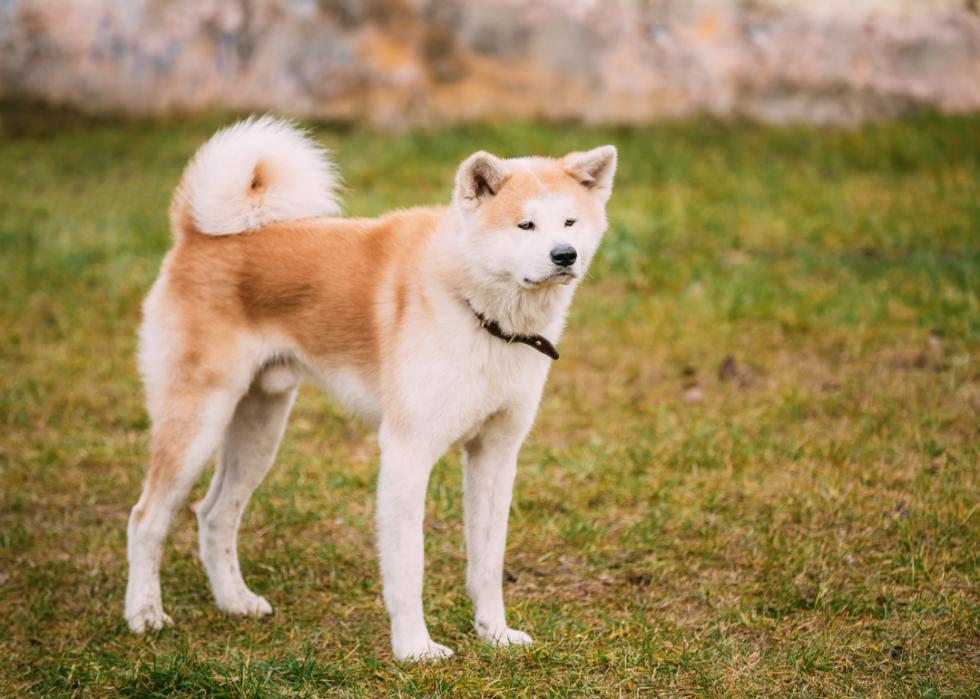
Akitas are known for their exceptional loyalty. Originating from Japan, they were bred to guard royalty and hunt large animals such as bears.
Akita Profile
They are reserved around strangers but deeply affectionate with their family. Their quiet and watchful nature makes them highly effective guardians.
However, their independent personality means they require experienced owners who can provide proper training and leadership.
3 Ways They Protect Their Loved Ones
- Forms strong and exclusive bonds with family
- Maintains constant vigilance without noise
- Shows courage when facing threats
6. Cane Corso
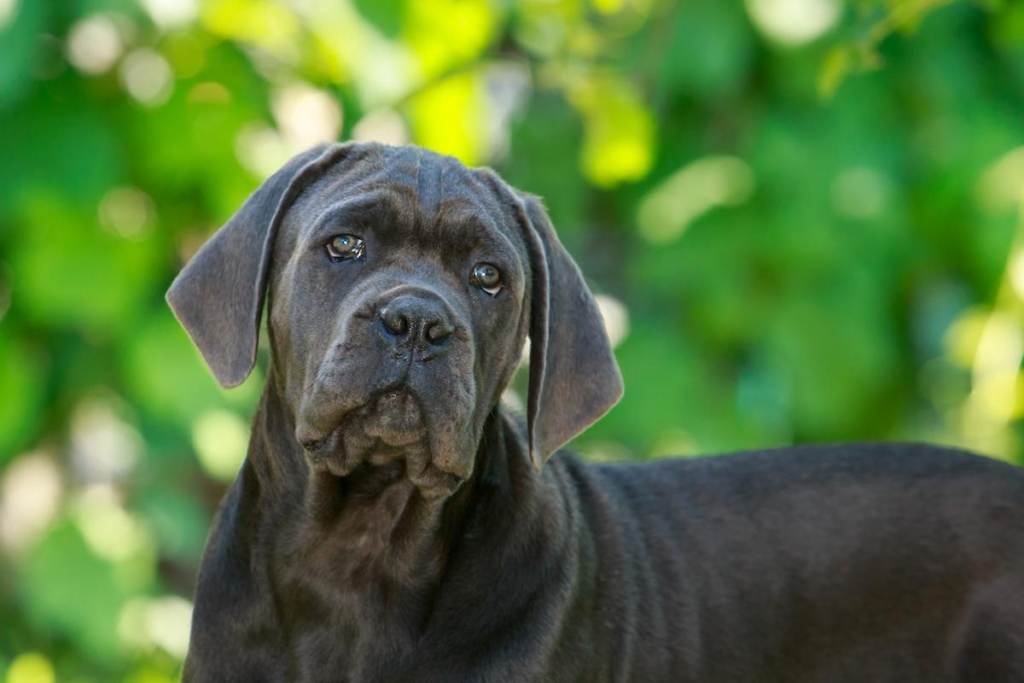
The Cane Corso is a powerful breed with roots in ancient Rome, where it served as a war dog and property guardian. Protection is deeply embedded in its instincts.
Cane Corso Profile
Highly intelligent and intuitive, this breed can interpret human behavior and detect potential threats early. They require regular exercise, structured training, and mental stimulation to remain balanced.
A bored Cane Corso can become difficult to manage, so engagement is key.
3 Ways They Protect Their Loved Ones
- Interprets human behavior and identifies risks early
- Responds decisively when necessary
- Maintains close physical presence as a form of protection
7. Rhodesian Ridgeback
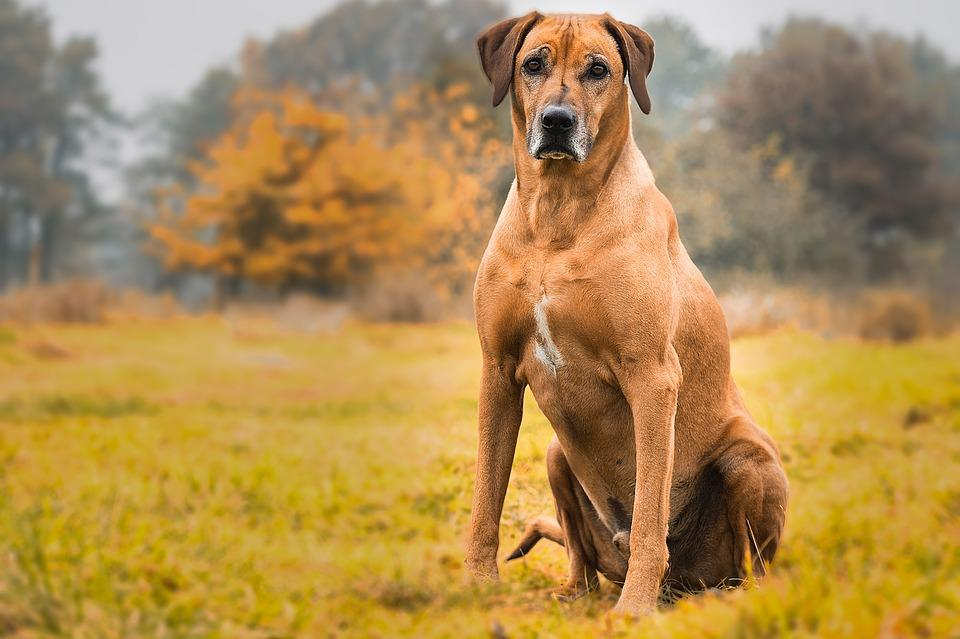
The Rhodesian Ridgeback is famously known for its history of hunting lions. This background gives it remarkable courage and independence.
Rhodesian Ridgeback Profile
These dogs are calm, observant, and selective in their responses. They form strong bonds with their families and often position themselves between their owner and perceived danger.
Their independent nature requires confident leadership and consistent training.
3 Ways They Protect Their Loved Ones
- Uses confidence and bravery to face threats
- Stays composed and analytical rather than reactive
- Relies on strong instincts developed through history
Conclusion
Protective dog breeds are not defined solely by strength—they combine intelligence, loyalty, and emotional awareness. The most effective guard dogs do more than react; they understand situations and respond appropriately. Whether it’s the composed strength of a Rottweiler, the agility of a Doberman, or the quiet confidence of a Bullmastiff, each breed offers a unique style of protection.
However, owning a protective dog comes with responsibility. Proper training, early socialization, and consistent guidance are essential to ensure these instincts remain controlled and beneficial. A well-trained guard dog is not aggressive—it is balanced and reliable.
Ultimately, the best protector is not the most aggressive dog, but the one that knows when action is necessary and when it is not. With the right approach, these dogs become not only guardians but lifelong companions.