


Ways to Protect Your Pets During Extreme Heat

High temperatures combined with heavy humidity can increase the risk of heat-related illnesses. Children, older adults, and people with existing health conditions are especially vulnerable during extreme heat. Residents are encouraged to take simple but important steps to stay cool, hydrated, and safe.
Pets are also at serious risk during hot weather. Dogs, cats, and other animals can overheat quickly, especially if they are left outside, walked on hot pavement, or kept in vehicles.
Heat Safety Tips for Residents
During periods of extreme heat and humidity, people should take extra care to avoid heat exhaustion and heatstroke.
Residents are advised to stay in air-conditioned places whenever possible. It is also important to avoid staying outdoors for long periods, especially during the hottest parts of the day.
Drinking enough water is another key safety step. Staying hydrated helps the body regulate temperature and reduces the risk of heat-related illness.
Most importantly, children and pets should never be left inside vehicles. Temperatures inside a parked car can rise quickly and become dangerous in a very short time.
How to Protect Pets in Hot Weather
Pets can struggle in extreme heat just like humans. Because animals cannot cool themselves as easily, pet owners should watch closely for signs of overheating and take action quickly.
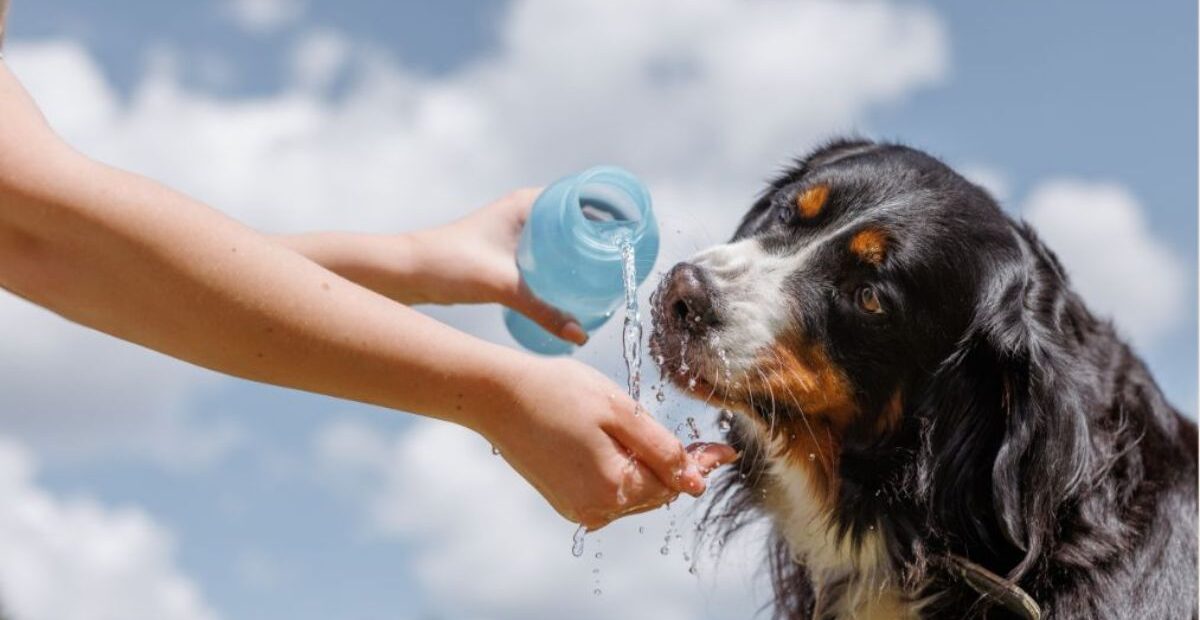
Keeping pets indoors, providing fresh water, using cooling products, and avoiding hot pavement can help prevent serious heat-related problems.
Signs of Heatstroke in Pets
Pet owners should look for warning signs that may indicate heatstroke. These symptoms can become dangerous quickly and should never be ignored.
Common signs of heatstroke in pets include rapid or noisy breathing, extreme thirst, heavy drooling, vomiting, confusion, bright red gums or tongue, weakness, tiredness, thick saliva, and a fast heartbeat.
If these symptoms appear, the pet should be moved to a cool area immediately and veterinary help should be contacted.
What to Do if a Pet Has Heatstroke
If you suspect your pet is suffering from heatstroke, act fast. Move them into a cool or shaded space right away.
You can help lower their body temperature with cool water, fans, or by placing them in lukewarm water. Avoid using ice-cold water, as it can shock the body and make the situation worse.
A rectal thermometer can help monitor body temperature. Any reading above 102.5°F is dangerous and should be treated seriously.
Signs of Dehydration in Pets
Dehydration is another major risk during hot weather. Symptoms may include dry gums, sunken eyes, low energy, and poor skin elasticity.
If your pet seems weak, tired, or unusually thirsty, offer water and contact a veterinarian if symptoms continue or worsen.
Pet Cooling Essentials for Summer
Pet owners can prepare for hot weather by keeping useful cooling items at home. Battery-powered fans, cooling vests, cooling pads, and spray bottles filled with cool water can help keep animals comfortable.
When using a spray bottle, focus on areas such as the underside of the body and paw pads. Rubbing alcohol may also be used carefully on paws and ears because it evaporates faster than water.
Unflavored electrolyte solution can help support hydration, while ice cubes or bone broth may encourage pets to drink more fluids.
Extra Summer Safety Tips for Pets
Avoid walking dogs on hot asphalt because it can burn their paw pads. Choose grassy areas instead and walk pets early in the morning or later in the evening when temperatures are cooler.
Pet owners should not shave their animals completely, as fur helps protect and insulate the body. Light trimming is acceptable, but the coat should not be removed entirely.
Animals with pink noses or white fur may also need pet-safe sunscreen to protect them from sunburn.
Before peak summer heat arrives, schedule a veterinary check-up. This helps confirm vaccinations are current and allows testing for heartworm and other seasonal health concerns.
Extreme heat and humidity can be dangerous for both people and pets, but preparation can reduce the risk. Staying indoors, drinking enough water, avoiding long outdoor exposure, and never leaving children or animals in vehicles are essential safety steps.
Pet owners should also watch for signs of heatstroke and dehydration, use cooling tools, avoid hot pavement, and seek veterinary help when needed. With the right precautions, families can stay safer and protect their pets during hot weather.