Phala Phala Impeachment Could Return to Parliament Even if Court Overturns Report
 Merci
·
September 3, 2026
·
4 min read
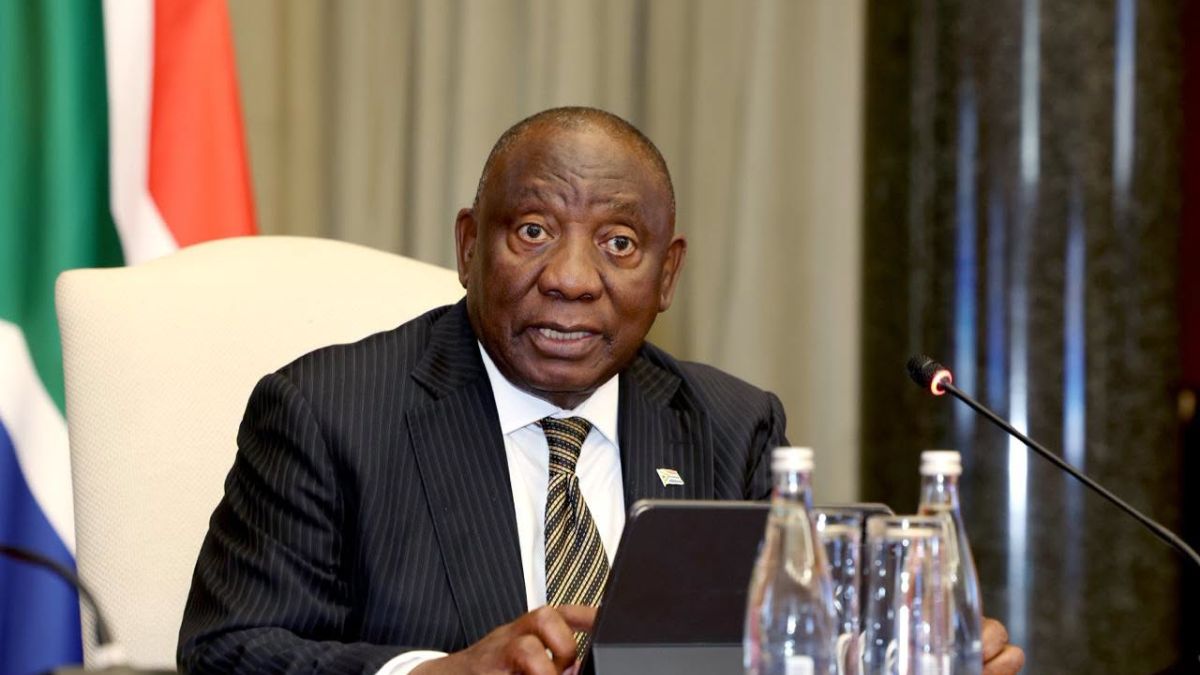
President Cyril Ramaphosa’s long-running Phala Phala controversy has returned to the spotlight as the Western Cape High Court considers a judicial review of the Section 89 panel report that previously found he had a case to answer.
During proceedings, Western Cape Judge President Nolwazi Mabindla-Boqwana questioned Ramaphosa’s legal team about what would happen if the Section 89 report were set aside.
Advocate Wim Trengove, representing Ramaphosa, told the court that the issue would effectively return to Parliament, where lawmakers would have to decide whether another Section 89 panel should be appointed.
Parliament Could Again Decide the Future of the Case
If the issue is sent back to the National Assembly, parties forming part of the Government of National Unity would hold significant influence over what happens next.
The ANC, DA, IFP, Patriotic Alliance and Freedom Front Plus collectively control a majority of the 400 parliamentary seats. If these parties adopted the same position, they could potentially prevent further proceedings from moving forward.
A similar situation occurred in December 2022, when the ANC used its parliamentary majority to reject the Section 89 panel report that had found Ramaphosa had a case to answer over Phala Phala.
Any further parliamentary action, however, will depend on the outcome of the judicial review that began in the Western Cape High Court on Wednesday, 2 September.
The case follows Ramaphosa’s successful application for an interdict preventing parliamentary impeachment hearings from proceeding until the review is finalised.
The impeachment process was effectively revived in May 2026 after the Constitutional Court, following an application by the EFF, declared Parliament’s December 2022 vote invalid.
Ramaphosa’s Lawyers Argue He Acted in Good Faith
Trengove argued that the Section 89 panel did not properly evaluate and weigh all the available evidence, including submissions made by Ramaphosa.
According to his argument, the panel should have considered whether the evidence demonstrated that the President deliberately acted unlawfully and in bad faith.
Ramaphosa did not knowingly breach any rules, Trengove maintained.
“Even if he’s wrong, he acted in good faith,” he told the court.
The senior counsel also argued that simply identifying prima facie evidence was insufficient. He said the appropriate test was whether there was “sufficient evidence” to justify proceeding to a public inquiry.
Trengove further warned that forcing the President into public impeachment proceedings could cause significant and irreversible reputational damage.
He described the impeachment committee, which included political opponents of Ramaphosa, as similar to a political trial but without an independent judge overseeing proceedings.
ATM Says the Public Deserves Answers
Advocate Anton Katz, representing African Transformation Movement leader Vuyolwethu Zungula and the ATM, challenged Ramaphosa’s attempt to review the Section 89 report at this stage.
Zungula introduced the impeachment motion in July 2022.
Katz argued that the President should first allow the parliamentary process to reach its conclusion before challenging the report.
“We are here because the President had $500,000 in cash on his arm and he did not do what the law required him to do… The public deserve to have an answer,” Katz told the court.
Court Raises Concerns About National Stability
The judges also questioned what effect impeachment proceedings against a sitting president could have on the national interest.
Judge Mark Sher raised concerns about the potentially disruptive and destabilising consequences of such proceedings.
The issue had previously featured prominently in the 24 July judgment granting Ramaphosa an interdict against public parliamentary impeachment hearings.
Judge Diane Davis said in the majority judgment that maintaining stability in the functioning of the presidency was in the national interest, particularly when there remained a possibility that the impeachment process could ultimately be declared unlawful.
Katz responded that any president facing impeachment could make a similar argument.
However, when he suggested that Ramaphosa should have considered the consequences before he “stashed dollars”, the court intervened.
“No one suggests the President stashing [dollars],” Sher said.
What Allegations Can Parliament Consider?
The court emphasised that any parliamentary impeachment committee would be restricted to considering allegations contained in the Section 89 panel report.
These include claims that Ramaphosa performed paid work outside his presidential duties, failed to report the theft of foreign currency and became involved in conflicts of interest.
The exchange illustrated the divide between the legal questions being considered by the High Court and the broader political debate surrounding Phala Phala.
Why the Phala Phala Cash Remains Controversial
Questions have continued over the circumstances surrounding $580,000 that was reportedly concealed inside sofa cushions at Ramaphosa’s Phala Phala game farm.
The explanation given was that the money came from a Christmas buffalo sale and was placed there because of security concerns during the Festive Season.
That explanation has continued to face public scepticism, while opposition parties have repeatedly raised the issue in public forums, including presidential question-and-answer sessions in Parliament.
Several investigations and official findings have also failed to completely end the controversy.
Previous Investigations Cleared Ramaphosa on Several Issues
The Public Protector cleared Ramaphosa in June 2023.
Earlier, in March 2023, the South African Revenue Service confirmed that the President and his farms were fully compliant with their tax obligations.
The South African Reserve Bank also cleared Ramaphosa of exchange-control violations in August 2023.
The Reserve Bank concluded that the buffalo transaction had never been completed because the required veterinary and export permits were not issued and the animals were never exported.
The Western Cape High Court’s review of the Section 89 report could determine whether the Phala Phala matter returns to Parliament for another decision. Ramaphosa’s legal team maintains that the panel applied the wrong standard and failed to properly assess whether he acted deliberately or in bad faith, while the ATM argues that the parliamentary process should be allowed to continue.
Despite several investigations clearing Ramaphosa on specific regulatory and tax-related issues, the political controversy surrounding the cash found at Phala Phala continues to follow the President and remains a significant issue in Parliament.
