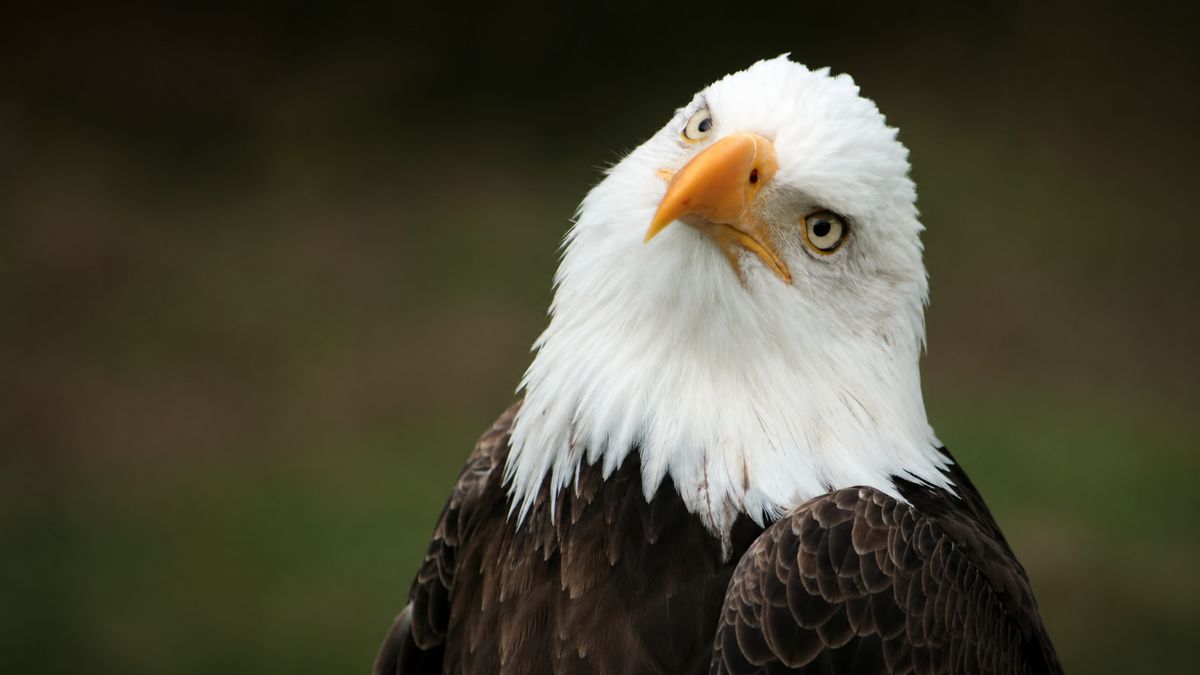
A curious house cat in Port Orchard, Washington, recently found himself in a risky standoff with a Bald Eagle sitting on a dock.
What began as a bold and almost playful approach quickly turned into a moment that reminded viewers why wild animals should never be underestimated.
The incident was captured on video by Amanda Wiles and later shared online, where it drew attention for the cat’s confidence and the eagle’s calm but powerful reaction.
At first, the cat appears to walk toward the large bird as if approaching another neighborhood animal. But within seconds, the situation changes.
The Bald Eagle spreads its wings, steps forward, and makes it clear that the cat has come too close. The cat quickly understands the warning and runs away before the encounter becomes dangerous.
A Bold Cat Gets Too Close
Cats are naturally curious animals. They often investigate unfamiliar sights, sounds, and movements around them. In this case, that curiosity led the house cat toward a Bald Eagle, one of North America’s most powerful birds of prey.
The cat seemed confident at first, slowly moving closer to the eagle on the dock. The eagle, meanwhile, remained still and watchful. This calm reaction may have made the cat feel safe enough to continue approaching.
However, wild animals can react quickly when they feel threatened or cornered. Once the cat got too close, the eagle responded by spreading its wings and moving toward the feline. That single motion was enough to end the standoff.
Bald Eagle Shows Who Is in Charge

The eagle’s response was not aggressive for no reason. Birds of prey often use body language to warn other animals to stay away. By opening its wings and stepping forward, the Bald Eagle sent a clear signal: back off.
The cat made the right choice by retreating immediately. Bald Eagles have strong talons, sharp beaks, and powerful wings. Even a brief physical encounter could cause serious injuries to a small pet.
Although the video may look funny or surprising, it also shows how quickly a harmless-looking moment can become dangerous when domestic animals come face-to-face with wildlife.
Why Pet Owners Should Be Careful Around Raptors
Bald Eagles, hawks, owls, and other birds of prey are protected wildlife. They are not pets, and they should not be approached, chased, touched, or disturbed. These birds can defend themselves when they feel threatened, and they may see small animals as either a threat or potential prey.
Pet owners living near lakes, rivers, forests, docks, or open spaces where eagles are active should be extra cautious. Small pets should be supervised outdoors, especially in areas where raptors are commonly seen.
Keeping cats indoors or watching them closely outside can help prevent risky encounters. It also protects local wildlife, since outdoor cats can disturb birds and smaller animals.
Online Viewers React to the Standoff
After the video was shared, viewers quickly reacted to the unusual cat-and-eagle moment. Many found humor in the cat’s confidence, while others noted how lucky the cat was to escape unharmed.
Some joked that the cat had no idea who it was challenging. Others praised the eagle’s calm warning and the cat’s fast decision to run away.
The moment became a reminder that confidence is not always enough when nature is involved.
A Small Moment With a Big Lesson
The video may be entertaining, but it also carries an important message. Domestic pets and wild animals should be kept at a safe distance from one another. Even if a pet seems brave or playful, wildlife can be unpredictable.
The cat’s quick retreat likely prevented a dangerous situation. In the end, curiosity met its match, and the house cat learned that some animals are best admired from far away.
Final Thoughts
The Port Orchard cat’s encounter with a Bald Eagle is a striking example of how curiosity can lead pets into unexpected danger.
The cat approached with confidence, but the eagle’s powerful warning quickly changed the mood. Thankfully, the feline backed away before anything serious happened.
For pet owners, the moment is a reminder to supervise animals outdoors and respect wildlife from a safe distance.