Government Confirms $4 Billion Boost for Pension, JobSeeker and Parenting Payments
 Merci
·
September 3, 2026
·
2 min read
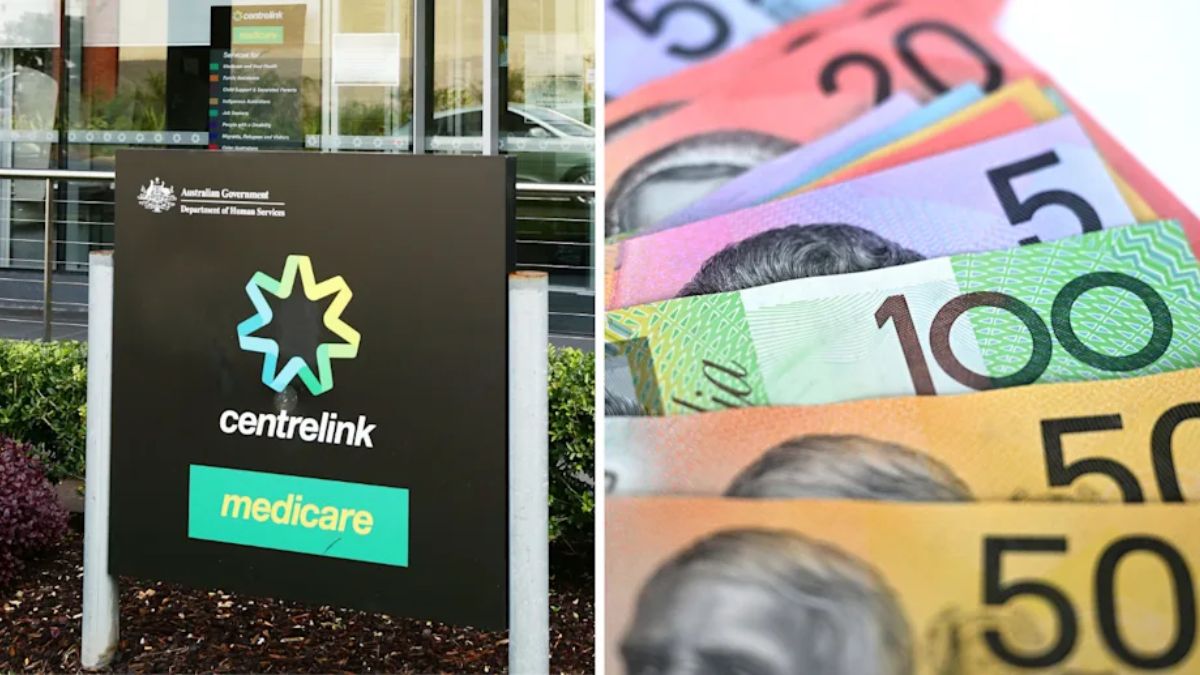
Millions of Australians will receive higher government benefit payments from September, with pensions, JobSeeker, Youth Allowance, rent assistance and parenting payments all increasing under the latest indexation changes.
The increases come at a time when concerns are also growing over the possibility of further interest rate rises following stronger-than-expected inflation figures.
September Payment Increases to Affect 5.3 Million Australians
From September 20, around 5.3 million Australians receiving government income support will benefit from the twice-yearly indexation of several major payments.
The September adjustment will apply to pensions, JobSeeker, Youth Allowance, parenting payments and rent assistance.
Overall, the latest indexation is expected to provide an additional $4 billion in payments across eligible recipients.
New Pension Rates From September 20
Pension recipients will receive some of the largest increases.
The maximum combined pension rate for couples will rise by $55.60, taking the total payment to $1,866 per fortnight.
For single pensioners, the maximum rate will increase by $36.80 to $1,237.70 per fortnight.
Social Services Minister Tanya Plibersek said pension rates are now 25 per cent higher than when Labor came to government.
JobSeeker Payment Increase
Australians receiving JobSeeker will also see their fortnightly payments rise.
A single recipient without children will receive an additional $16.20 per fortnight, increasing the maximum payment to $833.70.
According to Plibersek, people receiving JobSeeker are now getting around $4,700 more each year compared with the amount available when the government changed.
Parenting Payment Rates Also Increase
Parenting Payment recipients will receive higher support from September 20.
Single recipients will see their payment increase by $20.90 to $1,087.20 per fortnight.
Partnered recipients will receive an additional $14.80, lifting their fortnightly payment to $763.
Plibersek said the increased support would help Australians meet essential expenses such as housing, groceries and everyday household bills.
Deeming Rates Are Also Increasing
While government benefit payments are rising, changes to deeming rates could affect how some people’s income is assessed for social security purposes.
Deeming rates are used by the government to estimate the income people earn from certain financial assets. These can include savings accounts, investments, loans, shares and some payments associated with superannuation or life insurance.
From next month, the lower deeming rate will increase from 1.25 per cent to 1.75 per cent.
The lower rate will apply to assets of up to $66,800 for singles and $110,600 for couples.
Assets above those thresholds will be deemed to earn 3.75 per cent annually. The calculated deemed income can affect a person’s eligibility for social security payments or the amount they receive.
Interest Rate Concerns Add Pressure
The government payment increases arrive as new inflation figures raise concerns about further interest rate increases.
Worse-than-expected inflation data released on Wednesday has increased expectations that another rate rise could occur as early as next month, while a November increase is considered even more likely.
Higher borrowing costs would add further pressure to households already dealing with rising everyday expenses.
Stamp Prices Rise From September 1
Australians will also face another cost increase from September 1, with the price of stamps rising by 15 cents.
The new price will be $1.85 per stamp.
September will bring higher government support payments for millions of Australians, including pensioners, JobSeeker recipients and parents. However, increases to deeming rates, postage costs and concerns about further interest rate rises mean household financial pressures are likely to remain significant despite the additional government assistance.
