Centrelink Recipients Face New Tax Rule Before $475 Million Settlement Payments
 Merci
·
September 3, 2026
·
3 min read
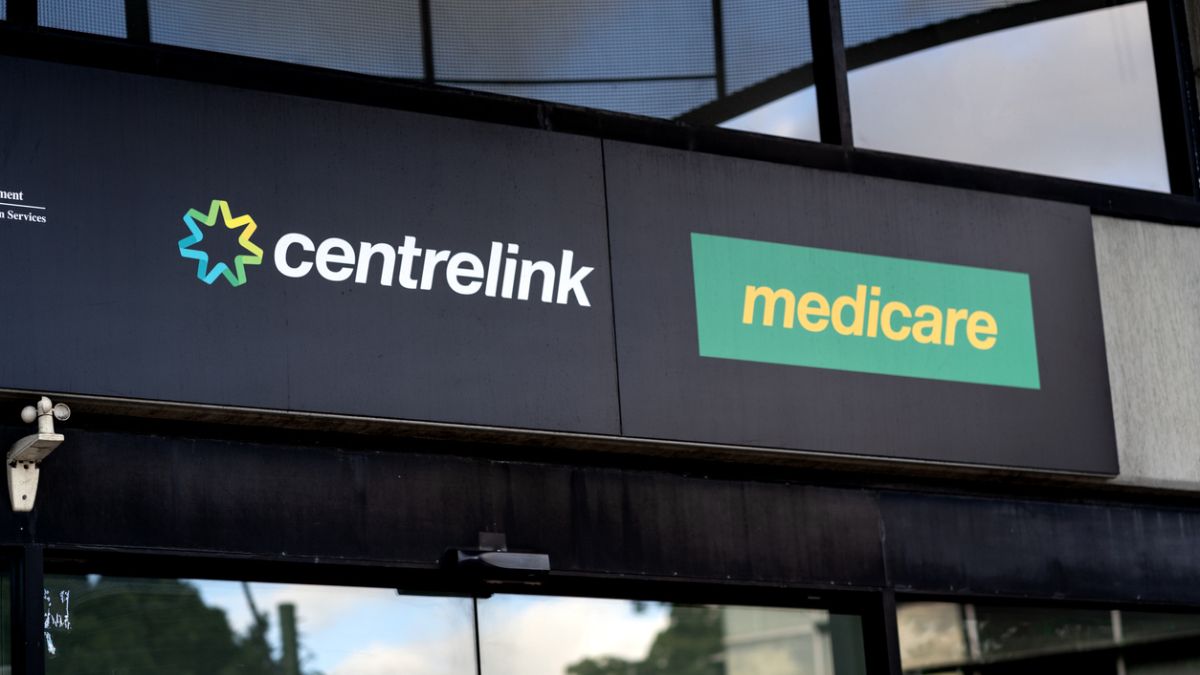
More than 100,000 Australians set to receive compensation from the historic Robodebt class action will not have their payments reduced by tax or existing welfare rules.
The Australian government plans to introduce legislation ensuring the nearly $475 million settlement is exempt from income testing, taxation and Commonwealth recovery arrangements. Around 125,000 eligible people are expected to receive compensation after being affected by the controversial Robodebt scheme.
Robodebt Compensation Will Not Affect Centrelink Payments
Under ordinary rules, some compensation payments may be subject to tax or Commonwealth statutory recovery arrangements. However, the proposed changes will prevent Robodebt settlement payments from being treated in this way.
Importantly, the compensation will also not count as income for class action members currently receiving income support through Services Australia.
This means recipients should be able to receive their full settlement amount without having their Centrelink or other eligible welfare payments reduced because of the compensation.
Minister for Government Services Katy Gallagher said the measure would provide certainty to Robodebt victims by ensuring the compensation they are entitled to receive does not change.
She said Robodebt should never have occurred and that it was appropriate for the payments to be excluded from government recovery arrangements.
Assistant Treasurer Daniel Mulino also said the government had worked to prevent people affected by Robodebt from facing negative tax consequences or disruption to their welfare arrangements.
When Will Robodebt Compensation Payments Begin?
The legislation is expected to be fast-tracked through federal parliament so Gordon Legal, the law firm representing class action members, can begin distributing settlement payments before the end of the year.
However, some complicated claims may take considerably longer to resolve, with final payments potentially continuing until 2028.
The class action settlement was approved in June and became the largest class action settlement in Australian history.
Gordon Legal partner Andrew Grech described the settlement as a historic development for Australians affected by Robodebt.
How Much Could Eligible Robodebt Claimants Receive?
Payment amounts will vary depending on the claimant’s role and category within the class action.
Lead plaintiffs received $20,000 for their involvement in the proceedings.
Eligible class action members who selected a fixed payment are expected to receive either:
- $1,000, or
- $1,750, depending on their category.
Other settlement amounts may depend on individual circumstances and the complexity of each claim.
What Was the Robodebt Scheme?
Robodebt was an automated debt-recovery program operated under the Coalition government between 2015 and 2019.
The system used an automated income-averaging process that wrongly raised debts against tens of thousands of welfare recipients, including people who did not actually owe the amounts being claimed.
The scheme caused significant financial and emotional distress. Some affected Australians were pushed into debt and took out loans they struggled to repay. Robodebt was also linked to the suicides of at least two Australians.
A Royal Commission examining the scheme in 2023 described Robodebt as a “crude and cruel mechanism” that was neither fair nor legal.
The Commission found that the program caused significant distress, made some welfare recipients feel as though they were criminals and left people traumatised over debts they might not even owe.
The proposed tax and welfare exemptions mean approximately 125,000 Robodebt class action members should be able to keep their full compensation without reductions to existing income-support payments.
With the $475 million settlement approved, payments are expected to begin before the end of 2026, although some complex claims may not be finalised until 2028.
